Accurate accounting does more for your business than ensuring compliance and optimizing taxation. Professionally prepared statements provide decision-makers with data on key financial performance indicators. Below we discuss some of the most common business accounting financial statements. If you have questions deciphering any of the numbers provided to you, reach out to one of our qualified professionals here at McNabb Lucuk LLP.
Income Statement
One of the most popular statements your accountant or accounting software generates is your income statement. This summarizes your profit or loss for a given reporting period. Your revenue streams are listed to show where, and how much, income is earned. The total, when compared to your expenses, gives a net profit or loss.
Consistent classification of revenues and expenses is important in generating this report. This can help your business understand the exact categories where money is spent or earned. Use the data in your income statement to adjust spending to meet business goals. Income statements are usually viewed monthly but rolling annual statements give a better view of where you are at any point in the fiscal year.
Balance Sheet
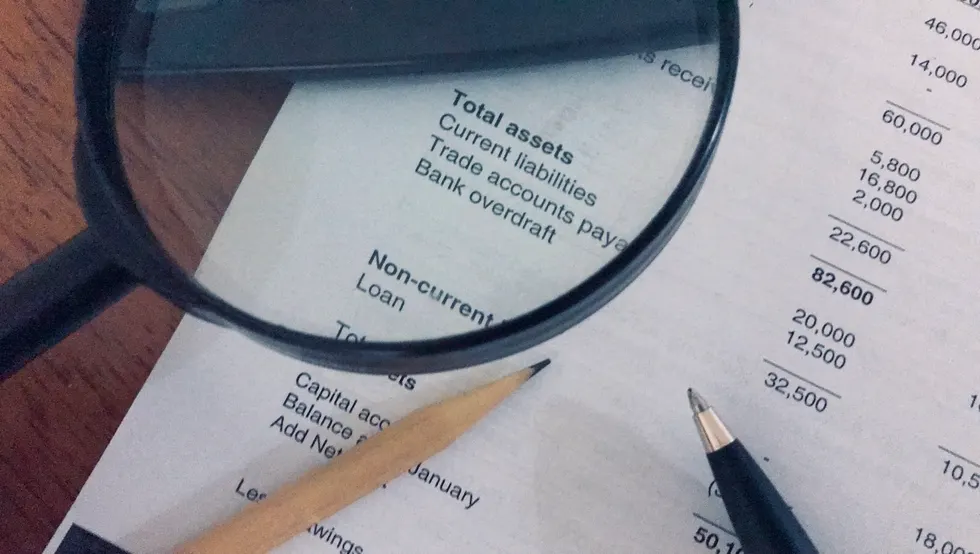
Another popular report that you’ll want to view in conjunction with your income statement is the balance sheet. At a glance, this demonstrates how your business is doing financially by adding up your assets and subtracting your liabilities to calculate your net worth. The report includes assets like cash, accounts receivable and fixed assets. Liabilities are anything you owe, such as accounts payable, tax payable, and long-term debt. Equity is what the business currently owns.
The data found in the balance sheet can help guide decisions on future financing, shows if sales are converted into cash and gives insight into how long the sales to cash process takes.
Cash Flow Statement
A cash flow statement shows where your cash is flowing in and out of your business. Debit and credit items demonstrate exactly how and where you are spending and earning cash. Items listed may include salaries to employees, GST payments, vehicle lease payments, materials purchased, fees, rebates, etc. This statement is often reviewed monthly or more frequently.
Accounts Receivable
Accounts Receivable indicates outstanding money owed to you and by who, including timelines for receipt. Depending on your customer base, you’ll want to review these weekly to ensure timely follow-up on any accounts that are near due or past due. Ensuring you are getting paid on time means sales or services are converted into real cash to keep your business moving forward while also allowing you to meet your financial obligations.
Accounts Payable
Accounts Payable are the outstanding financial obligations to others, including the amounts and timelines for payments to be made. These statements show where and how much of your cash flow is debited from the business. Aim to review these statements weekly to ensure payments are made on or before due dates. Late payments to your suppliers could lead to penalties, negatively affect your credit rating or tarnish a business relationship.
Bank Balance
Although this is not a report, knowing your cash situation on a daily basis is smart business. Knowing your cash situation can help avoid costly fees for insufficient funds or alert you of the need to liquidate assets or transfer funds to meet your cash obligations.
Accurate accounting statements are crucial to the financial health of your business. If you aren’t receiving or viewing these regularly, you could be missing out on opportunities to improve your business’s financial situation. Speak with your accountant or give us a call at 780-539-3400 to discuss what your financial data could be telling you.